Paving laid by

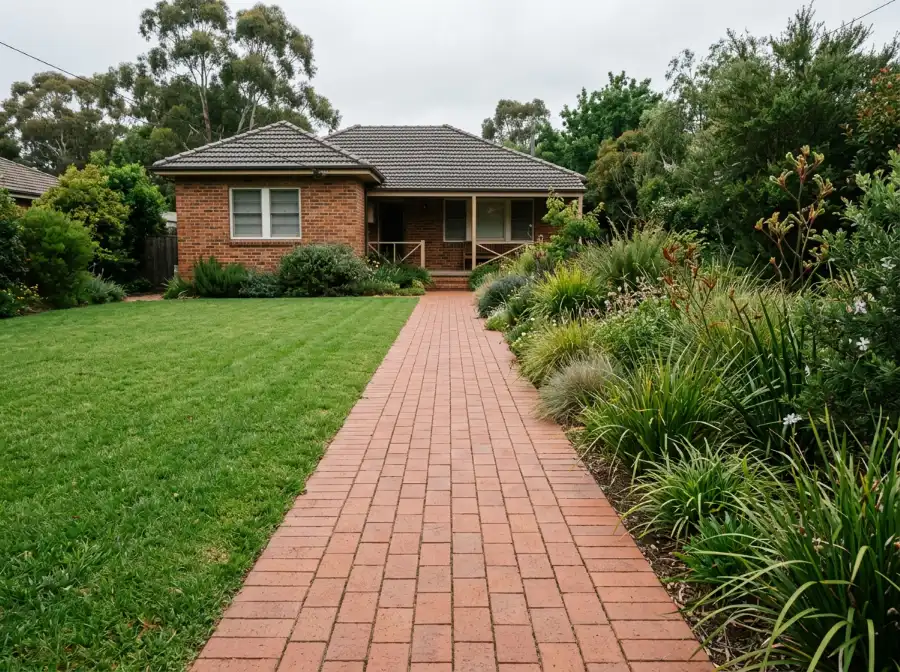
Red clay paver front path curving through native garden beds to the porch steps of a Canberra brick home

Clay Pavers, Travertine and Porcelain

Path, Step and Courtyard Paving in Canberra

Front paths, garden steps and courtyards are paved by Prime Paving Canberra in clay, travertine or porcelain for homes across Canberra and the nearby towns. Whether you need a front path to your door, a practical side path or a courtyard for entertaining, we can help you choose the right paving for your property.

Get a Path or Courtyard Quote

The Person Who Measures Your Job Lays It.

What Needs Paving? (Pick Any)

Your details are only used to reply about your job. See our privacy policy and terms.

We work with clay pavers, travertine and porcelain.

Every quote starts with measuring the area, and the person who measures the job is the person who lays the paving.

Our Path and Courtyard Services Include

  • Front, side and garden paths
  • Paved outdoor steps
  • Courtyards and small outdoor areas
  • Removal of existing turf, pavers or concrete, included in the quote

What We Pave

Paths, Steps and Courtyards We Pave

From the entrance to your home to the spaces you use out the back, the right paving makes outdoor areas easier to get around, look after and enjoy.

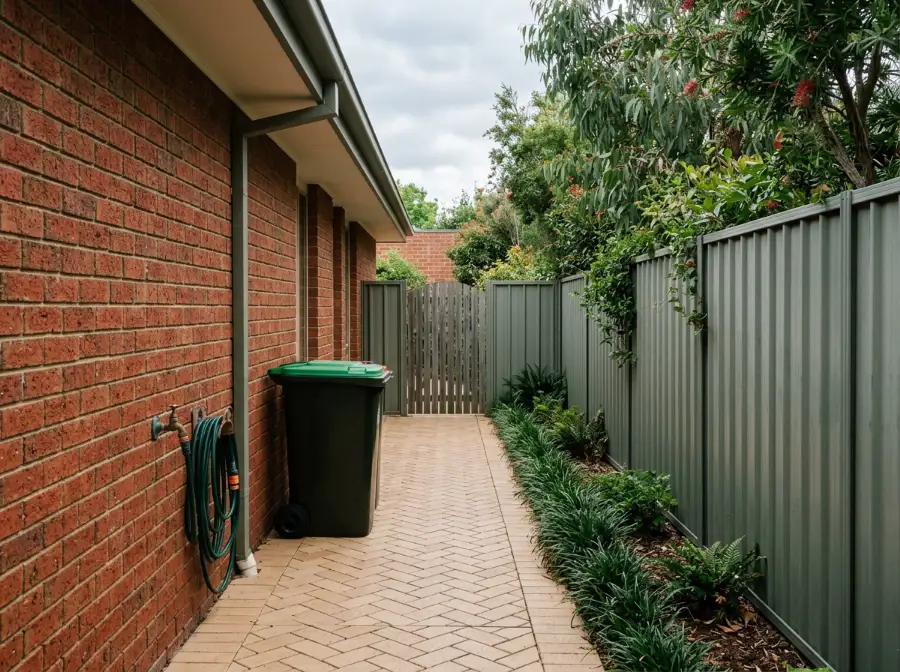
Buff clay pavers in herringbone along a side path between a brick house and a Colorbond fence
01

Front, Side and Garden Paths

A paved front path gives a clear route to your door. It can match your driveway or use a different colour and pattern to suit the house. Side paths make it easier to get between the front and back, while garden paths link lawns, beds and outdoor living areas.

Paths can be straight or curved, depending on the space, access and material. Levels and drainage need working out before installation.
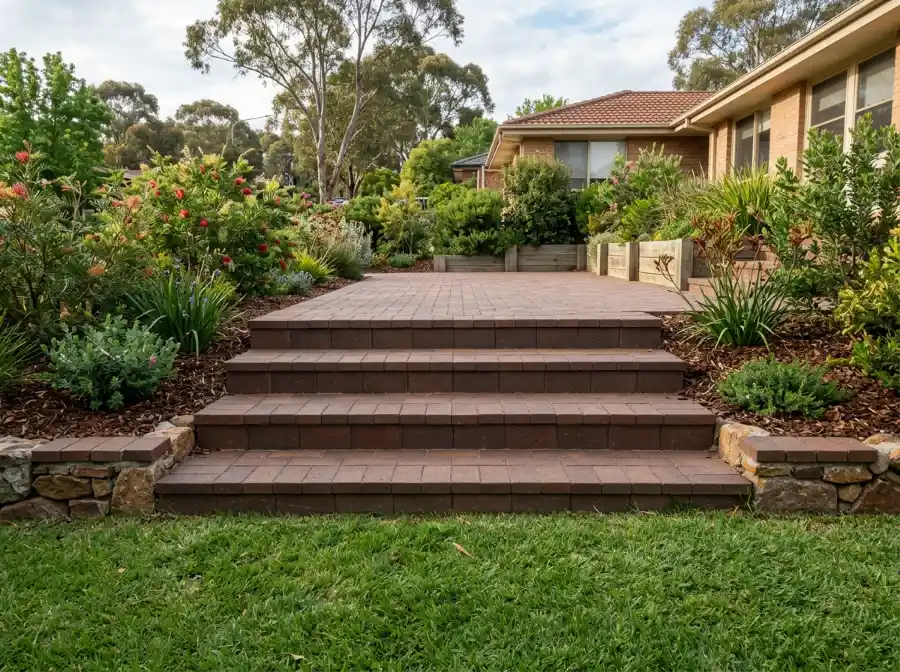
Four wide garden steps built in chocolate brown clay pavers rising from a lawn to a paved terrace
02

Paved Steps for Changes in Level

Outdoor steps connect sloping gardens, raised entrances, paths and courtyards. They need even step sizes, a stable structure underneath and a surface suited to outdoor use.

Where they apply, steps must meet building requirements. Matching pavers and rounded front edges depend on the design and the product.

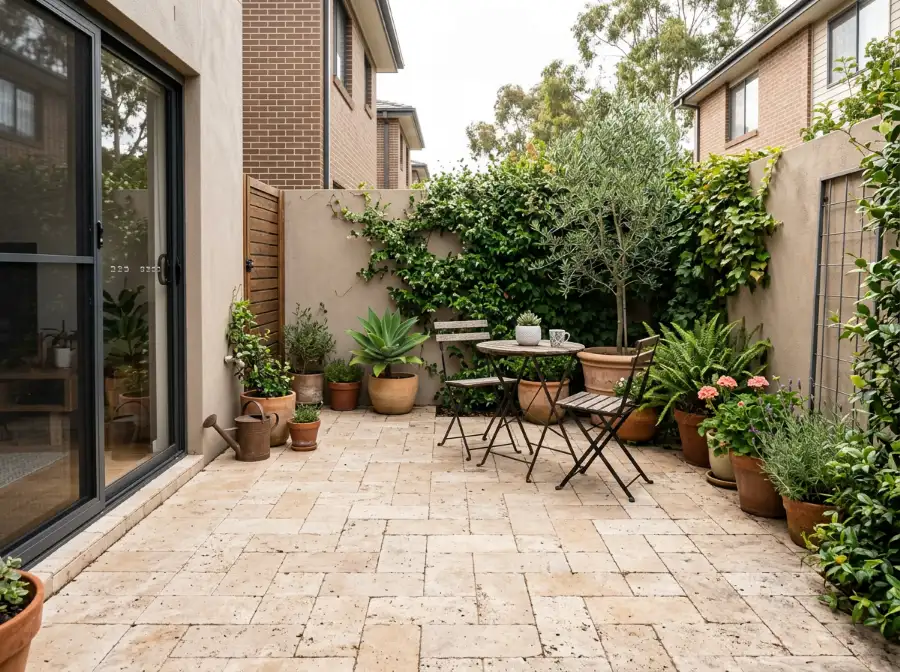
Small rear courtyard paved in almond travertine in a French pattern with a bistro table and potted plants
03

Courtyards and Small Paved Areas

Courtyard paving can turn bare ground or tired lawn into a practical spot for an outdoor table, pot plants or a barbecue. Paver size, layout and colour help a small area feel connected to the house.

A courtyard needs drainage rather than a perfectly flat surface. Door thresholds, walls and garden edges all shape how the finished area is planned.

Ask About Your Paving Project

Paving Materials

Paving Materials and Installation Options

Different pavers give different finishes, and not every material is laid the same way. The best choice depends on the look you want, the existing surface, the ground, drainage and budget.

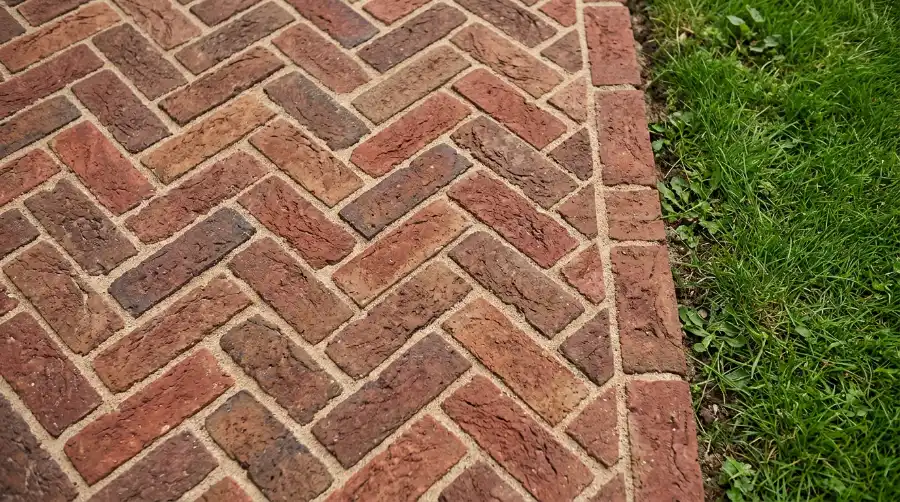
Close-up of a red and brown clay paver path in herringbone with a soldier course edge beside the lawnDry Laid

Clay Pavers

Clay pavers come in a range of colours, sizes and laying patterns. We buy them from Canberra suppliers. They suit front paths, garden paths and courtyards where a classic brick-paved look fits the house.

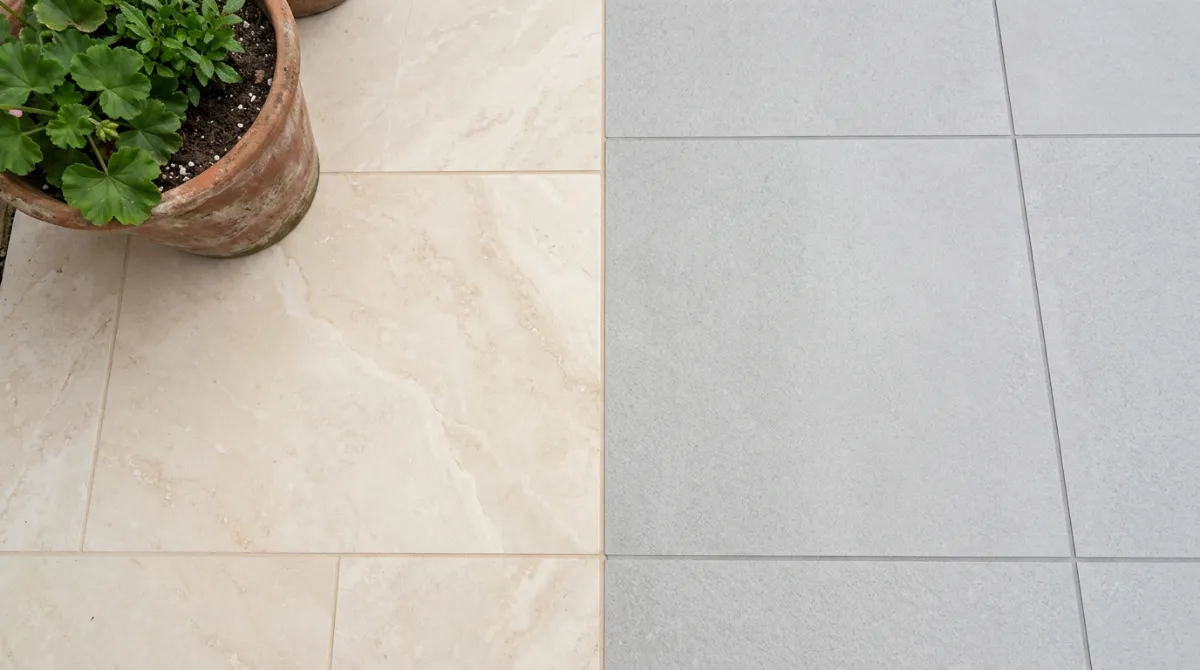
Close-up of filled and honed ivory travertine pavers meeting light grey outdoor porcelain in a courtyardLaid in Mortar

Travertine and Porcelain

Travertine gives a natural stone finish, while outdoor porcelain comes in a range of colours and contemporary styles. Product thickness, slip rating and the manufacturer's instructions decide where and how each should be used.

Dry Paving and Wet Paving

Straight garden path in terracotta clay pavers on sand with a soldier course along the lawn
Dry Paving

Clay pavers laid on compacted road base and a bed of sand, with no concrete slab underneath.

Straight garden path in honed ivory travertine laid in mortar beside a lawn
Wet Paving

Travertine or porcelain laid in mortar, either on a concrete slab or, for suitable products, on 100 mm of compacted road base.

The right base and method depend on the material, the site and how the area will be used. We explain the proposed build-up and what is included in the quote.

Discuss Paving Materials

Our Process

How We Prepare and Install Your Paving

What sits under the pavers matters as much as the finished surface. The preparation depends on the existing ground, the paver and how the area will be used.

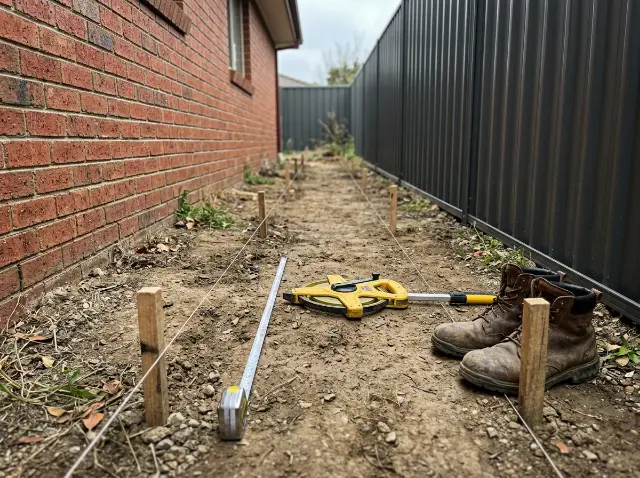
  1. Side path of bare ground between a brick house and a fence, with pegs, a string line and a tape measure01

    Measure and Quote

    We measure the space and talk about the paving you want. An approximate size is enough to enquire; the quote comes after the measure.

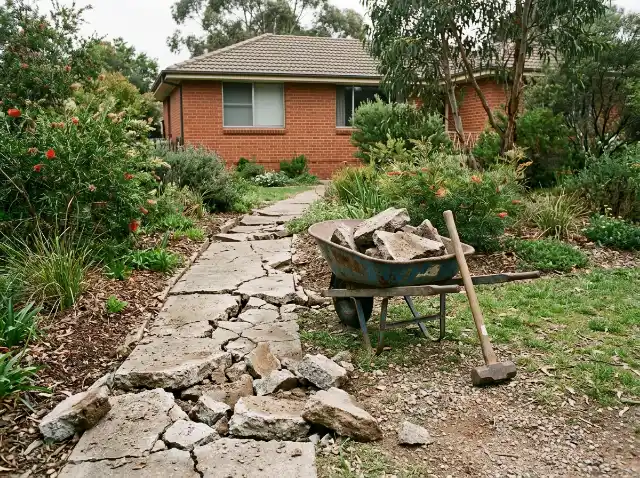
  2. Old cracked concrete garden path broken up, with pieces in a wheelbarrow02

    Prepare the Area

    Existing turf, pavers or concrete are removed where needed and the area is dug out to suit the new paving. Removal and disposal are in the quote.

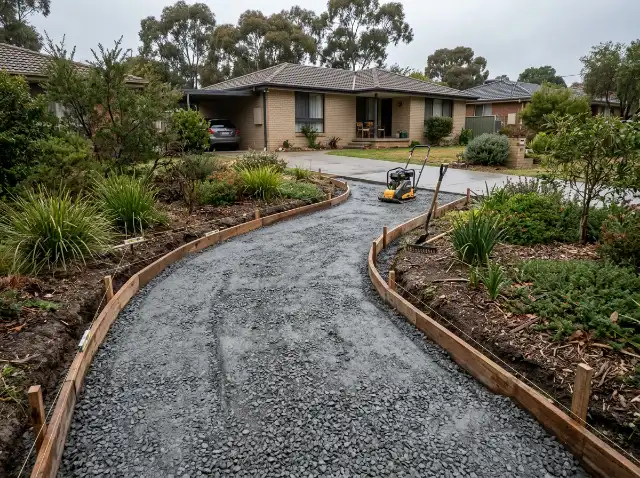
  3. Curved path trench filled with compacted crushed rock road base between timber edge boards03

    Prepare the Base

    The base is built to suit the method and the site. Correct levels, support and drainage reduce the risk of movement or standing water.

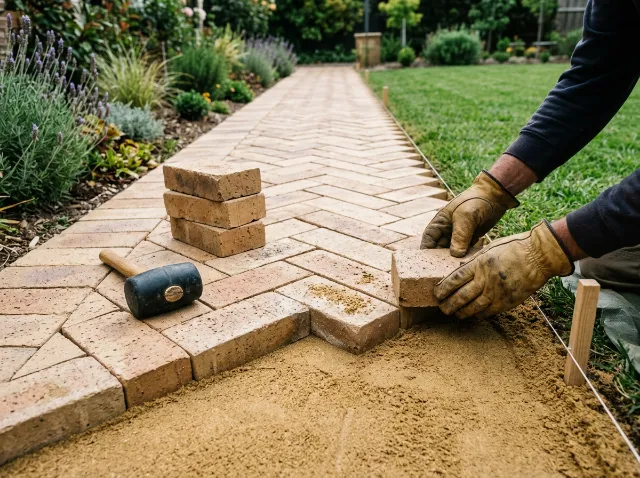
  4. Gloved hands laying buff clay pavers in herringbone on screeded sand along a string line, with a mallet and a stack of pavers04

    Lay the Pavers

    Pavers are laid using the agreed method, with the layout, joints and cuts planned around the shape of the area.

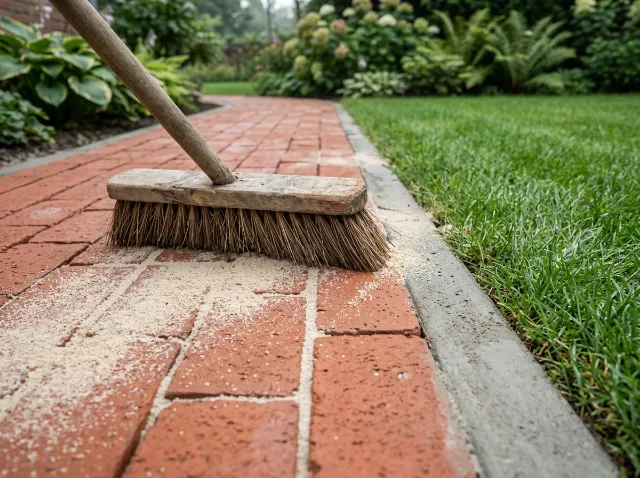
  5. Broom sweeping jointing sand into a new red clay paver path beside a lawn05

    Finish Edges and Joints

    Edges and joints are finished with materials that suit the paving, for a neat, stable result against paths, walls, gardens and doorways.

Request a Measured Quote

Canberra Conditions

Paving Suited to Canberra Conditions

At Canberra Airport the average July overnight low is -0.1°C, and the city gets about 615 mm of rain a year (Bureau of Meteorology). A path or courtyard here has to cope with frosty mornings and give that rain somewhere to go.

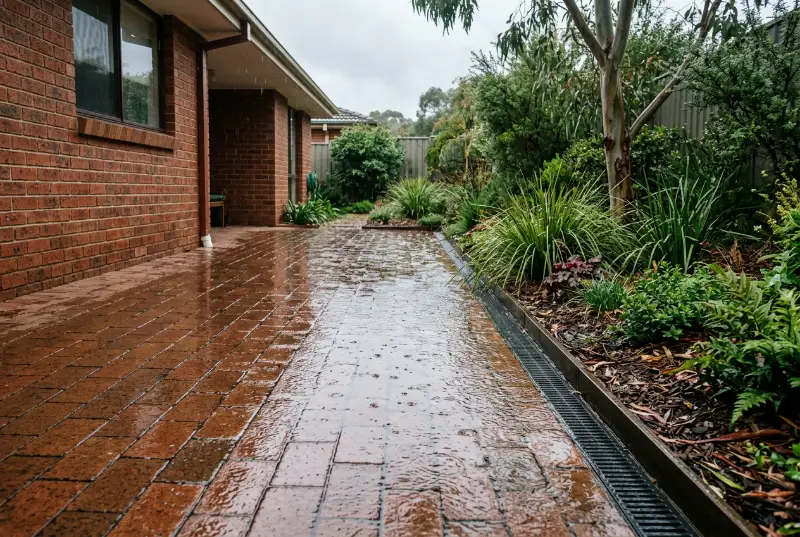
  • Rain running off a clay paver courtyard into a slot drain away from the house wall

    Water Away From the House

    Paving is laid with a slight slope, called a fall, so rain runs away from walls and doorways instead of collecting against them.

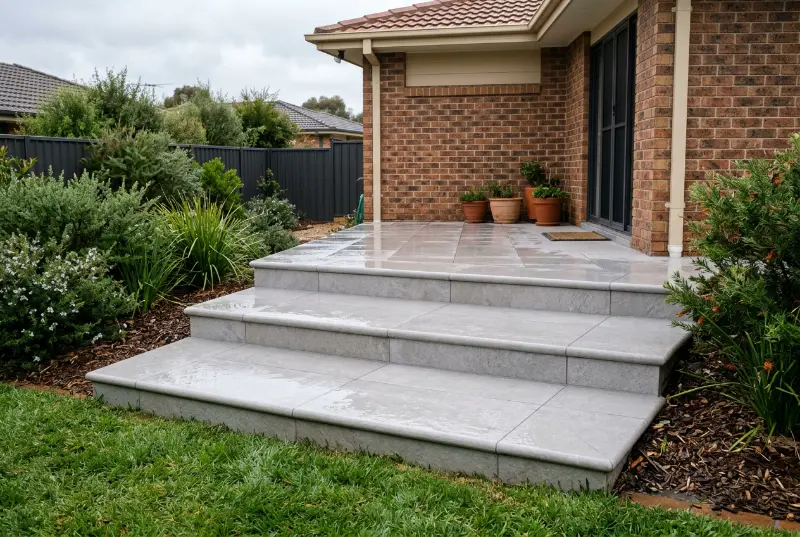
  • Rain-damp light grey porcelain garden steps with rounded front edges leading up to the back patio of a brick home

    Grip Where It Gets Wet

    Steps and entrances are the first places to turn slippery on a frosty morning. Tiles are rated for wet grip from P0 to P5 under AS 4586, so ask for the rating before choosing one for steps.

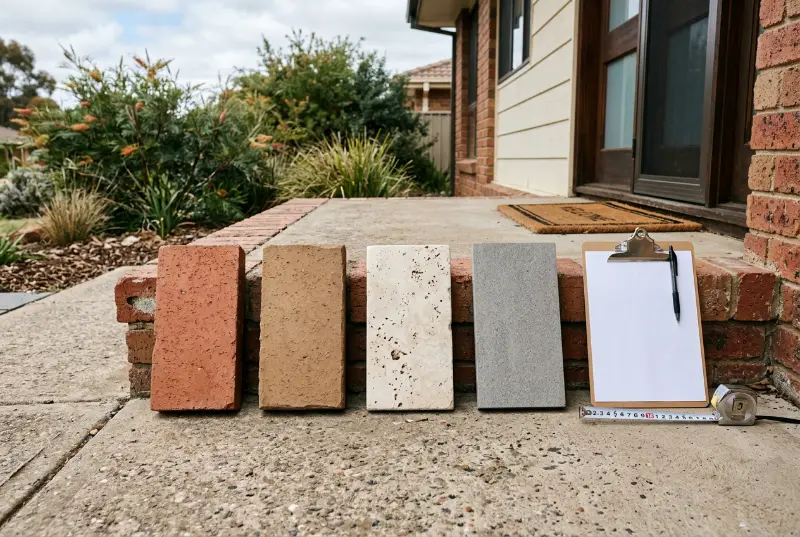
  • Red clay, tan clay, ivory travertine and grey porcelain paver samples leaning against a brick front step beside a clipboard and tape measure

    The Right Product for the Job

    Clay pavers are laid dry on compacted road base and bedding sand. Travertine and porcelain are set in mortar, on 100 mm of compacted road base or on a concrete slab. We'll go through which suits your path when we measure.

Pricing Your Paving

What Changes the Price of a Path or Courtyard

The cost of a path, steps or courtyard depends on the area, the paver and how much preparation is needed. We measure each job and quote on the work involved.

  • Area and Layout

    Larger areas need more material, while tight corners, curves and steps add cutting and labour.

  • Paver Selection

    Clay, travertine and porcelain vary in price and in how they are laid.

  • Existing Surfaces

    Removing concrete, old paving or turf adds excavation and disposal.

  • Base and Drainage

    Ground conditions, levels and any drainage work affect preparation.

  • Site Access

    Narrow gates or difficult access affect how equipment and materials reach the work area.

If you have a paver or a budget in mind, mention it when you enquire so we can talk through the options.

Get a Path or Courtyard Quote

Why Choose Us

Why Choose Prime Paving Canberra?

A paving quote should tell you what is being laid, how the area will be prepared and what is included.

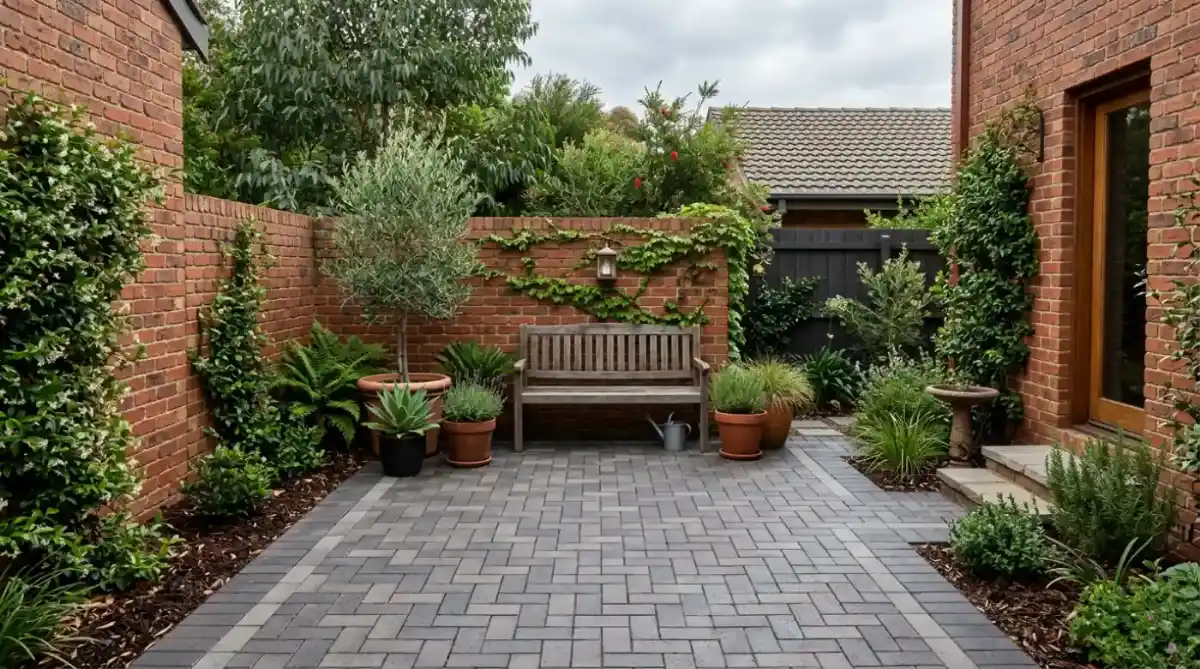
Small rear courtyard paved in charcoal and grey clay pavers in basket weave, with a timber bench and pot plants
  • 01

    Measured Quotes

    Every job is measured before the quote is prepared.

  • 02

    Direct Accountability

    The person who measures your paving is the person who lays it.

  • 03

    Material Options

    Clay pavers, travertine and porcelain, chosen for the style and use of your outdoor area.

  • 04

    Local Service

    Paving across Canberra, Yass, Goulburn, Braidwood and Cooma.

Path and Courtyard Questions

Frequently Asked Questions

How Much Does Courtyard Paving Cost in Canberra?

The price comes from the area in square metres, the paver, the base it needs (dry on road base and sand, or mortar on road base or a slab) and anything that has to come out first. Tight access through a side gate adds time. We measure the courtyard before quoting.

Which Pavers Are Best for a Garden Path?

Clay pavers are a popular choice for a traditional look. Travertine and outdoor porcelain give a different finish. The right product depends on its outdoor suitability, how it is laid, how the area is used and the look you like.

Can You Replace an Old Concrete Path With Paving?

Yes. The old concrete can be removed to make way for new paving. The site, disposal and the new base are all considered in the quote.

Do Paths and Courtyards Need Drainage?

Yes. Paving generally needs a fall, a slight slope, or other drainage to send water away from where it could cause problems. The right solution depends on the property and the surrounding levels.

What Is the Cheapest Way to Pave a Courtyard or Garden Path?

A simple shape on a site that's easy to reach, with little digging and nothing to remove first, usually costs the least. The paver you choose decides most of the rest. The exact price is confirmed on the quote after we measure.

Can Paved Steps Match an Existing Path?

Yes, if the paver on your path is still available and suits steps. If it isn't, we'll talk through a paver that sits well beside it when we measure.

How Long Will a Paved Path Last?

On a base prepared to the Australian standard, a path should last 20 to 30 years. A path also needs a fall, so rain runs off the side instead of sitting on the pavers.

Have a Path or Courtyard Question?

Ask Your Question on the Contact Page

Path and Courtyard Quotes

Get a Quote for Your Path, Steps or Courtyard

Tell us where your property is, roughly how big the area is and what is there now. If you already have a paver or finish in mind, let us know.

We'll talk through the next steps and arrange to measure the job for a quote.

Planning a Path or Courtyard? Call (02) 6189 4970

Request Your Path or Courtyard Quote

What Needs Paving? (Pick Any)

Your details are only used to reply about your job. See our privacy policy and terms.

Call NowGet a Quote