
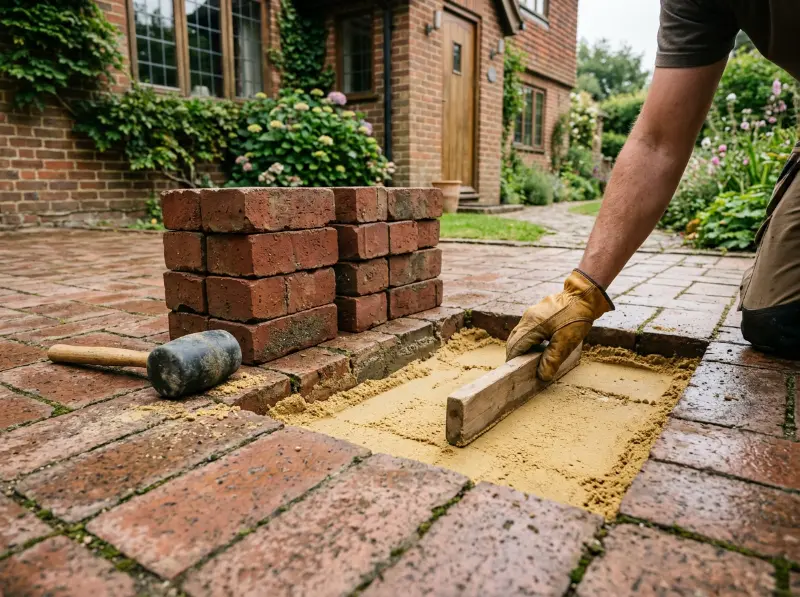
 Small
Spot Repair
For a single dip or a few loose pavers, a small section is lifted, the bedding sand is levelled again and the same pavers go back down.
Paving laid by

Sunken, Uneven and Loose Pavers
Prime Paving Canberra repairs sunken, uneven and loose paving at Canberra homes, reusing the pavers that are still sound. We lift the affected pavers, fix the crushed rock and sand they sit on, then relay them, which means laying the same pavers back down on the repaired base.
Where your existing pavers are in good condition we reuse them, so the repair matches the rest of your paving.
The person who looks at your paving is the person who repairs it.
Signs of Paving Trouble
Sand-laid pavers sit on a layer of crushed rock called road base, with a thin layer of bedding sand on top for the pavers to sit in. When either layer moves, the pavers above it move too.
The fix depends on the cause, so the cause needs finding before any pavers come up.
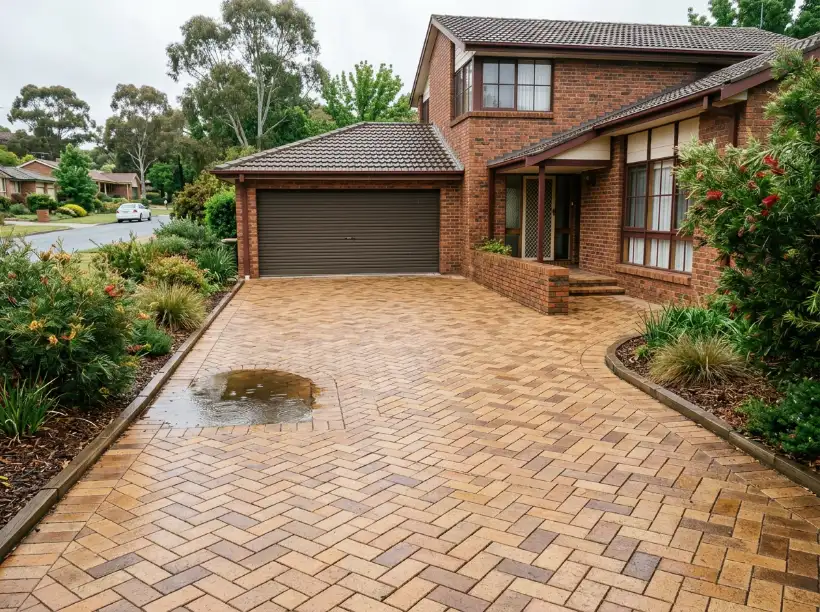
CauseThe road base was not compacted firmly enough, so it settles under cars and foot traffic over time.
FixThe base under that section is dug out, topped up and compacted again.
CauseWater running through the paving carries the bedding sand away and leaves a hollow the pavers drop into.
FixA lasting repair also deals with where that water is coming from.
CauseGrowing tree roots lift and tilt pavers from below.
FixThe options for the roots need talking through before anything is relaid.
CauseWithout a firm edge, pavers spread outward under load, the joints open and the outer row tips.
FixThe border row is reset and held with a mortar haunch, a wedge of mortar along the outside edge.
CausePavers hold each other in place by bracing against their neighbours. Once the sand between them is gone, each one can rock on its own.
FixThe joints are filled again.
Repair or Relay
Many paving problems can be fixed without starting again, and the same pavers can usually go back down. How much needs to come up depends on how far the movement has spread and what has failed underneath.
SmallFor a single dip or a few loose pavers, a small section is lifted, the bedding sand is levelled again and the same pavers go back down.
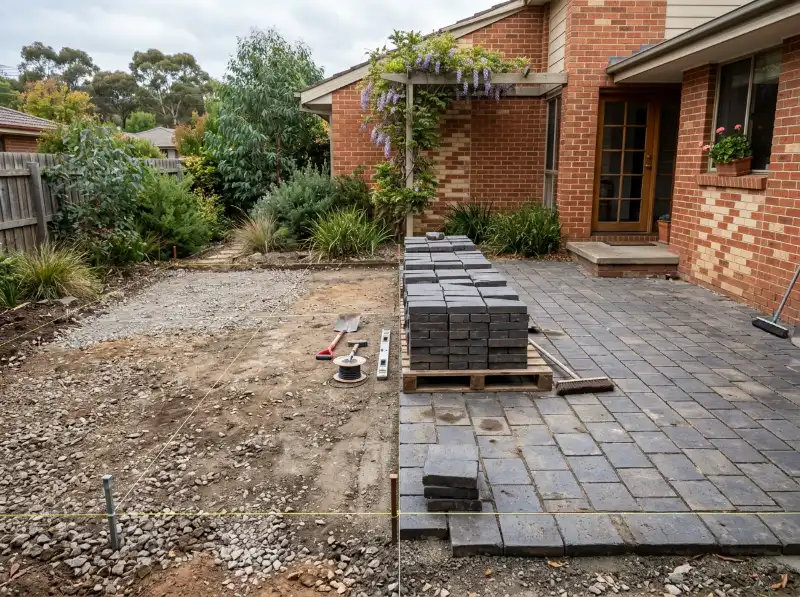 Medium
Where the base has failed across a wider area, the pavers are lifted and stacked, the road base is repaired and compacted, and the area is relaid. Your existing pavers are reused where they can be.
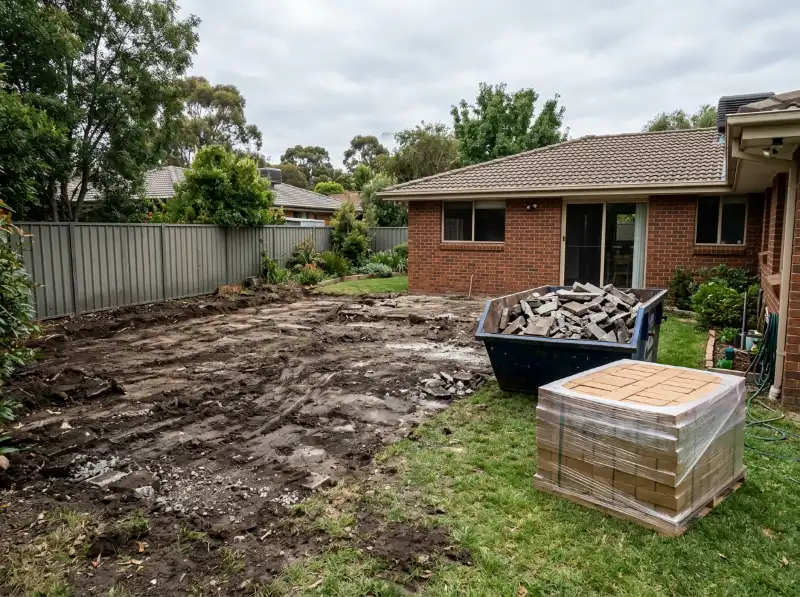 Large
Where the paving has failed throughout, replacing it may be the better option. The old paving can be removed and a new paved surface built from the base up.
How Paving Is Repaired
How long a repair lasts depends on the base under it, so the base is put right before any paver goes back down.
We measure the area before preparing a quote, and the cause of the movement is looked at.
The affected pavers are lifted and stacked to one side so they can be reused. Cracked or broken ones are set aside.
Soft or sunken road base is dug out, topped up and compacted in thin layers.
Bedding sand is spread and screeded, which means dragged flat with a straight rail, so the pavers sit level with the paving around them.
The pavers go back down in their pattern, cut where needed to fit around edges and corners.
Loose edges are reset and held with a mortar haunch, and polymeric sand, a jointing sand with silica beads in it, is swept into the joints.
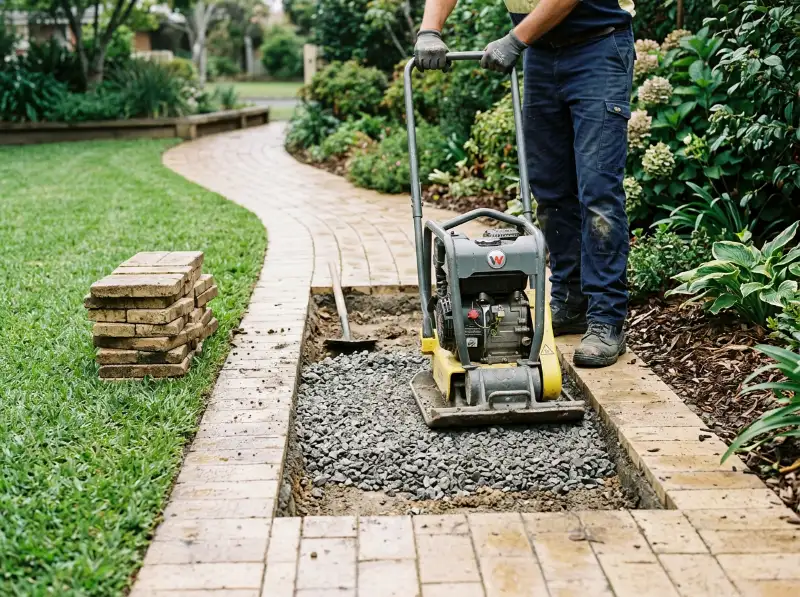
Paving Types
How paving is repaired depends on whether it was laid on sand or set in mortar.
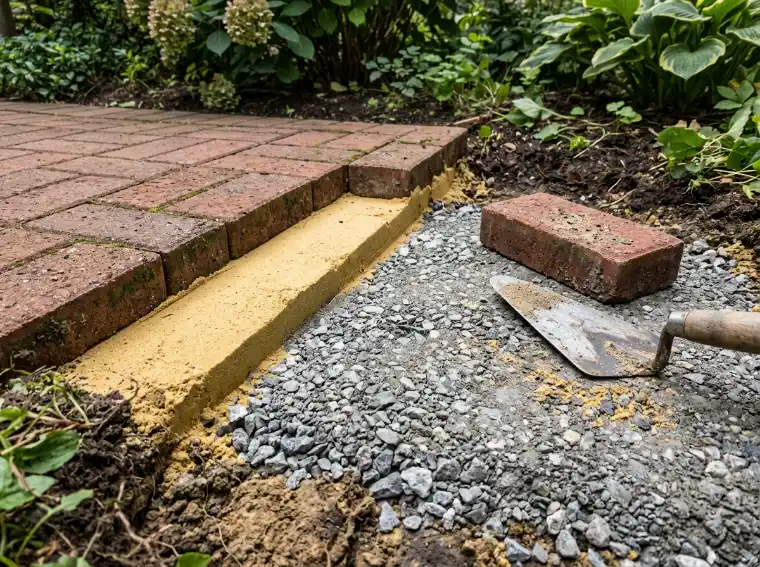
Also called dry paving. Clay or brick pavers sit on compacted road base and bedding sand, with no concrete slab underneath. This is the usual method for driveways.
Because each paver can be lifted on its own, a section can come up and go back down without disturbing the rest.
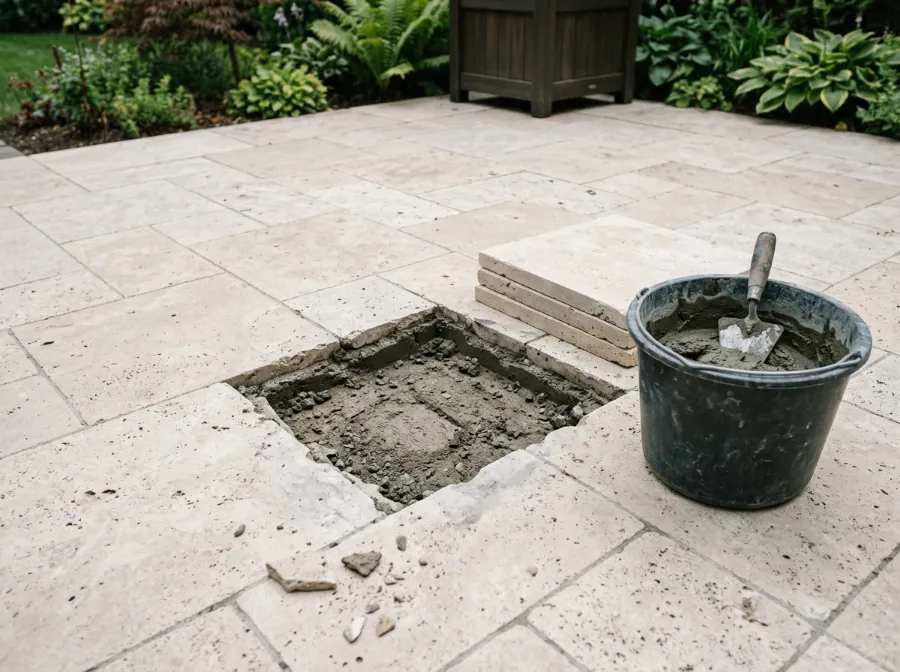
Also called wet or rigid paving. The pavers are set in mortar, a sand and cement mix, either on a concrete slab or on 100 mm of road base. You often see it around pools.
A repair means lifting the paver out of its mortar bed and setting it back in fresh mortar.
Where Problems Show Up
Paving problems look a little different depending on where the paving is and what it carries.
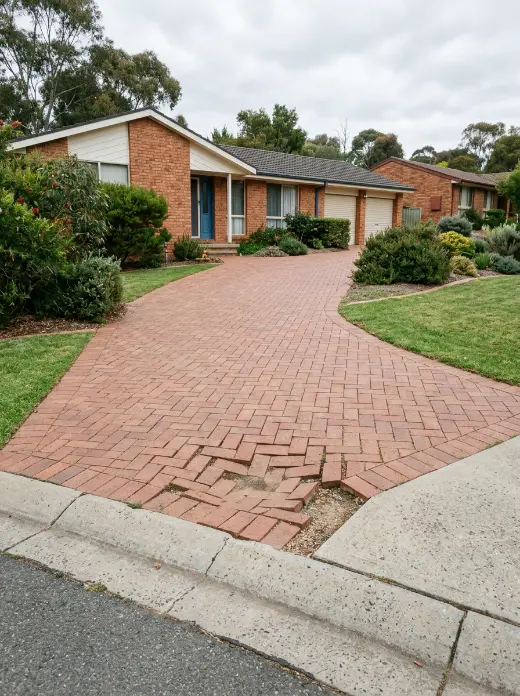
Sunken wheel tracks and loose edges where cars turn and brake.
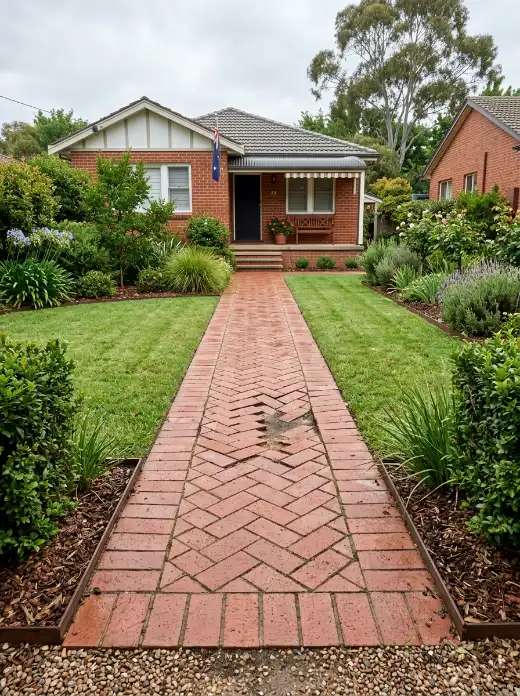
Pavers lifted by tree roots, or sunk where water runs across the path.
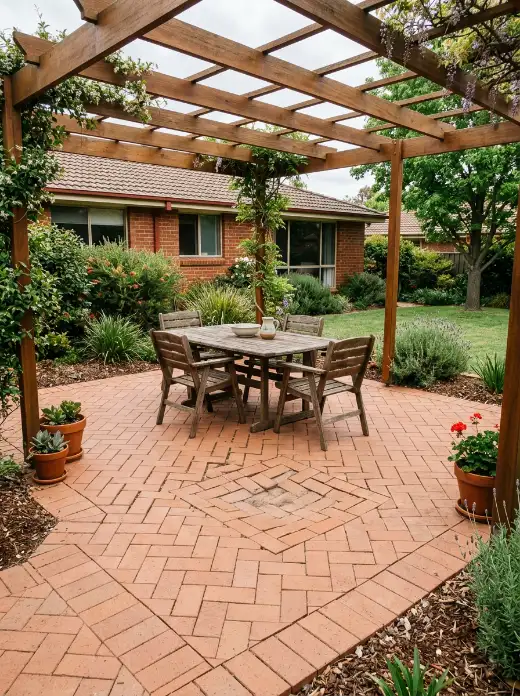
Low spots where water sits after rain.
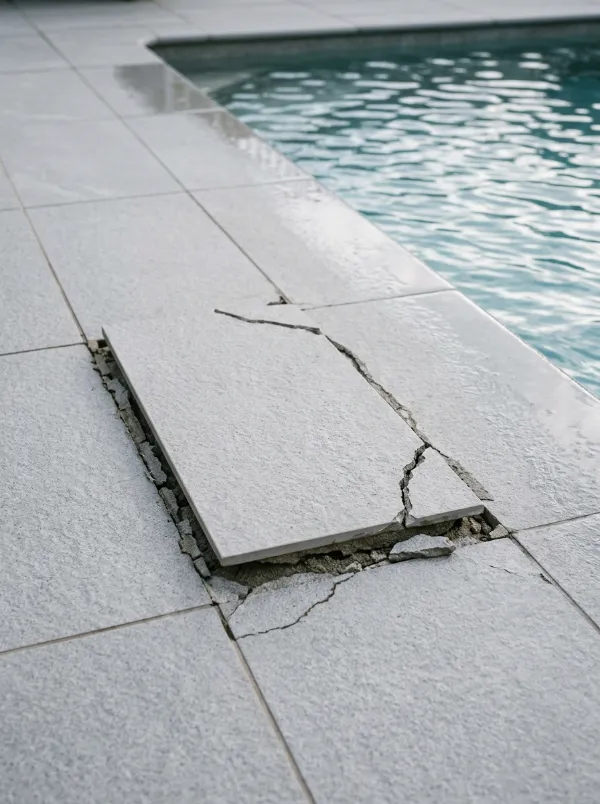
Loose travertine or porcelain pavers in a mortar bed.
Prime Paving Canberra works across Canberra, Yass, Goulburn, Braidwood and Cooma.
Your Repair Quote
The cost depends on how much paving comes up and what has gone wrong underneath. Two repairs the same size can need very different work.
We measure the area and prepare a quote based on the repair it needs.
 01
The number of pavers lifted and relaid affects the labour and materials.
 02
A dip in the bedding sand is a quicker fix than road base that has to be dug out and rebuilt.
 03
Reusing sound pavers saves buying new ones. Cracked pavers need replacing, and an older paver can be harder to match.
 04
Lifting pavers out of mortar takes more work than lifting sand-laid pavers.
 05
Resetting border rows and cutting pavers around corners adds labour.
 06
Tight side passages and backyards with no machine access mean materials are carried by hand.
After the Repair
Pavers stay in place with a firm base underneath, a solid edge around the outside and full joints between them.
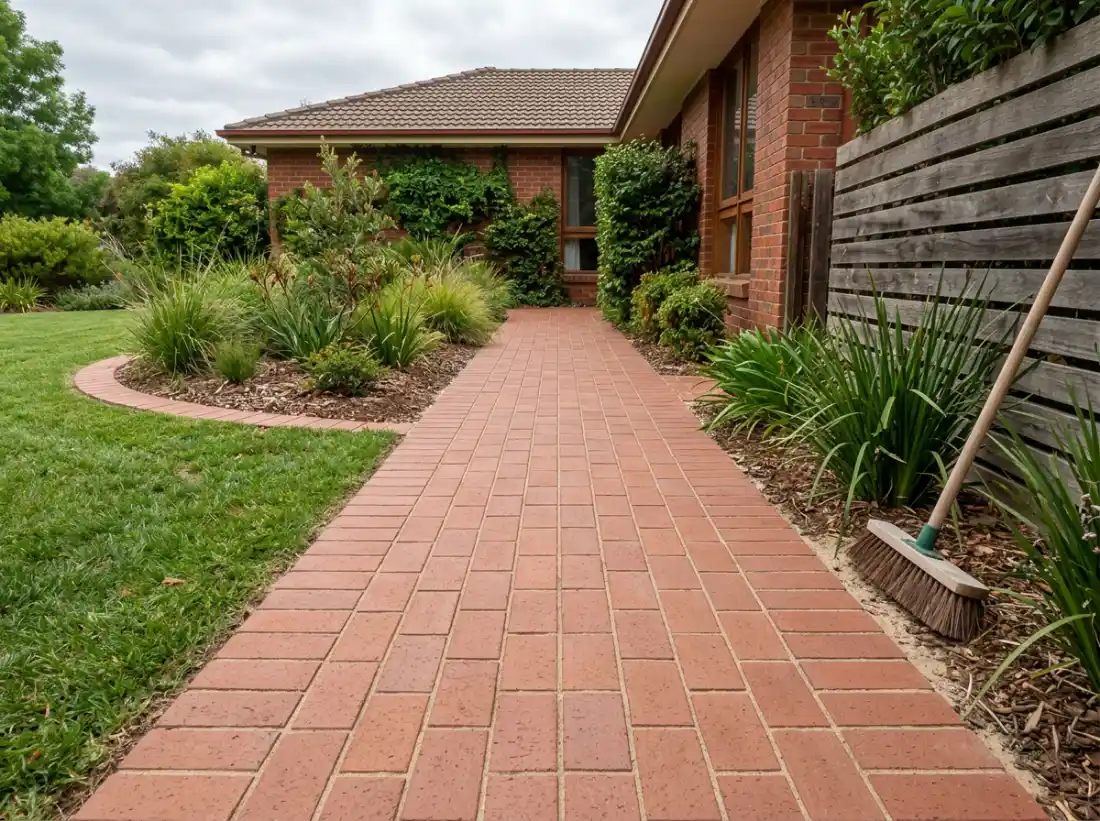
Paving needs a rigid edge to hold the bedding sand and pavers in place. A border row, called a header course, held with a mortar haunch does that job.
Joints need to stay full of sand, so avoid pressure washing that blasts it out. Empty joints can be refilled with fine dry sand.
Water running under paving washes the bedding sand away, so fix leaking downpipes and blocked drains near your paving early.
This is efflorescence, salt that comes up through clay pavers and dries on the surface. It does not harm the paving. It usually fades with the weather over a few months, and it can be brushed off while the pavers are dry.
Paving Repair Questions
It depends on the size of the area, the condition of the base, the type of paving and whether your existing pavers can be reused. We measure the area before preparing a quote, so the price reflects the repair you actually need.
Yes, where they are in good enough condition to go back down. Reusing them keeps the repaired section matching the rest of your paving. Cracked or broken pavers need replacing, and an older paver can be harder to match.
Relaying sunken sections brings tired paving back to an even surface. White salt marks on clay pavers, called efflorescence, do no harm. They fade with the weather or can be brushed off when the pavers are dry.
A small dip in the sand and a section with failed road base can be the same size and need very different work, so a single square-metre figure says little about a repair. Tell us roughly how large the area is and we'll arrange to measure it.
Pavers stay put when the road base is firm, the edges are held and the joints are full. That means a repaired base, a border row held with a mortar haunch, and polymeric sand swept into the joints.
Pavers keep sinking when the road base was not compacted properly, or when water is washing the bedding sand out from underneath. The base needs repairing and the water dealing with.
Have a Paving Repair Question?
Ask Your Question on the Contact PageWhen Repair Isn't Enough
If the paving has failed throughout, replacing it may make more sense than another repair. These are the areas we lay new.
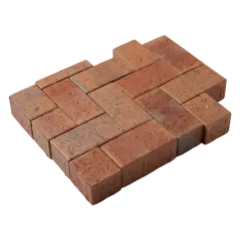 01Driveway PavingA new clay paver driveway on a properly compacted road base.
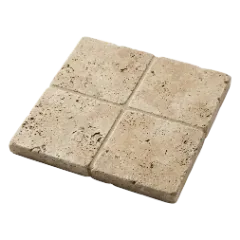 02Outdoor Entertaining AreasA new patio or alfresco area in place of a tired one.
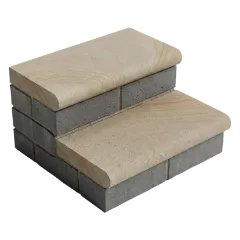 03Paths, Steps and CourtyardsNew paths, steps and courtyards in place of cracked concrete or loose pavers.
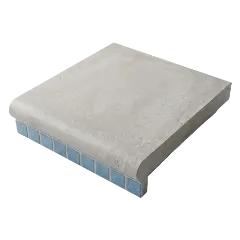 04Pool Paving and CopingA new travertine or porcelain pool surround with matching coping.
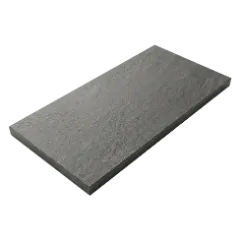 05Outdoor TilingNew outdoor porcelain tiles over a sound slab or a new base.
We'll tell you at the measure whether a repair or new paving is the better option.
Paving Repair Quotes
Whether a few pavers have sunk or a whole section needs relaying, tell us about it. We work across Canberra and the surrounding area, including Yass, Goulburn, Braidwood and Cooma.
Tell us roughly how large the area is, what kind of paving it is and where your property is, and we'll arrange to look at it and prepare a quote.
Pavers Sinking or Loose? Call (02) 6189 4970